
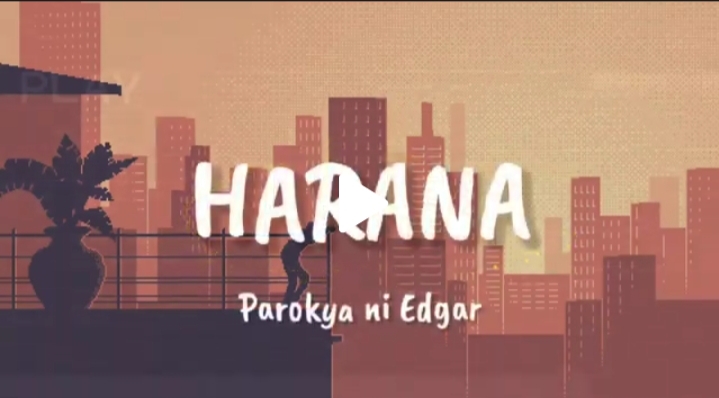
by Parokya ni Edgar
Parokya ni Edgar (lit: Edgar’s Parish) is a Filipino band formed in 1993. The band is known for its original rock novelty songs and often satirical covers of popular songs both foreign and local. The band is adept at playing in various musical genres.
Considered as one of the most iconic songs by Parokya Ni Edgar, “Harana” is a beautiful song about the traditional Filipino way of courting someone which is through singing. During the time of this song’s release, the band has already become a household name in the Pinoy band scene.
Why i love the song Harana, as the song introduces, is an old Philippine tradition of courtship in which a man bears his heart in song to a woman (and sometimes vice versa), while standing underneath her window at night.”
With Valentine’s Day approaching, we look back at a Filipino tradition that illustrates one’s love in the form of romantic songs.
In 1997, Filipino band Parokya Ni Edgar came out with a song that would become one of the Philippines’ most popular love songs to date.
The song describes a scene in which a young man in old faded jeans, carries roses, and nervously prepares to serenade a lady he likes in the cold and star-lit night, hoping she’d fall in love with his song and him.
The chorus, like the opening lines of the song, asks in Tagalog, “Uso pa ba ang harana?” (“Is harana still in style?”)
While the sound is one reminiscent of 90’s MTV, the song was meant to encapsulate the awkwardness, vulnerability, and even transparency felt by previous generations of Filipinos who wooed significant others through serenades.
Harana, as the song introduces, is an old Philippine tradition of courtship in which a man bears his heart in song to a woman (and sometimes vice versa), while standing underneath her window at night. Its music — unlike the Parokya Ni Edgar song — featured sweet habanera rhythms and impassioned lyrics.
While it’s difficult to pin exactly when harana first began in the Philippines, the practice is believed to have started in the 1800s and was influenced by Spanish folk songs. By the 1930s, it reached its peak across Philippine provinces.
However, the tradition has become nonexistent, remembered only by those who have been fortunate enough to experience or engage in harana, or learn about it growing up.



 My Kind Of OPM